Hot Weather Pet Safety: Heat Stress Signs and Prevention (AVMA)
Warm days can be risky even when they do not feel hot to you.
We may earn a commission when you buy through links on this page, at no extra cost to you. This does not change which products we cover. How we make money.
Prevent it
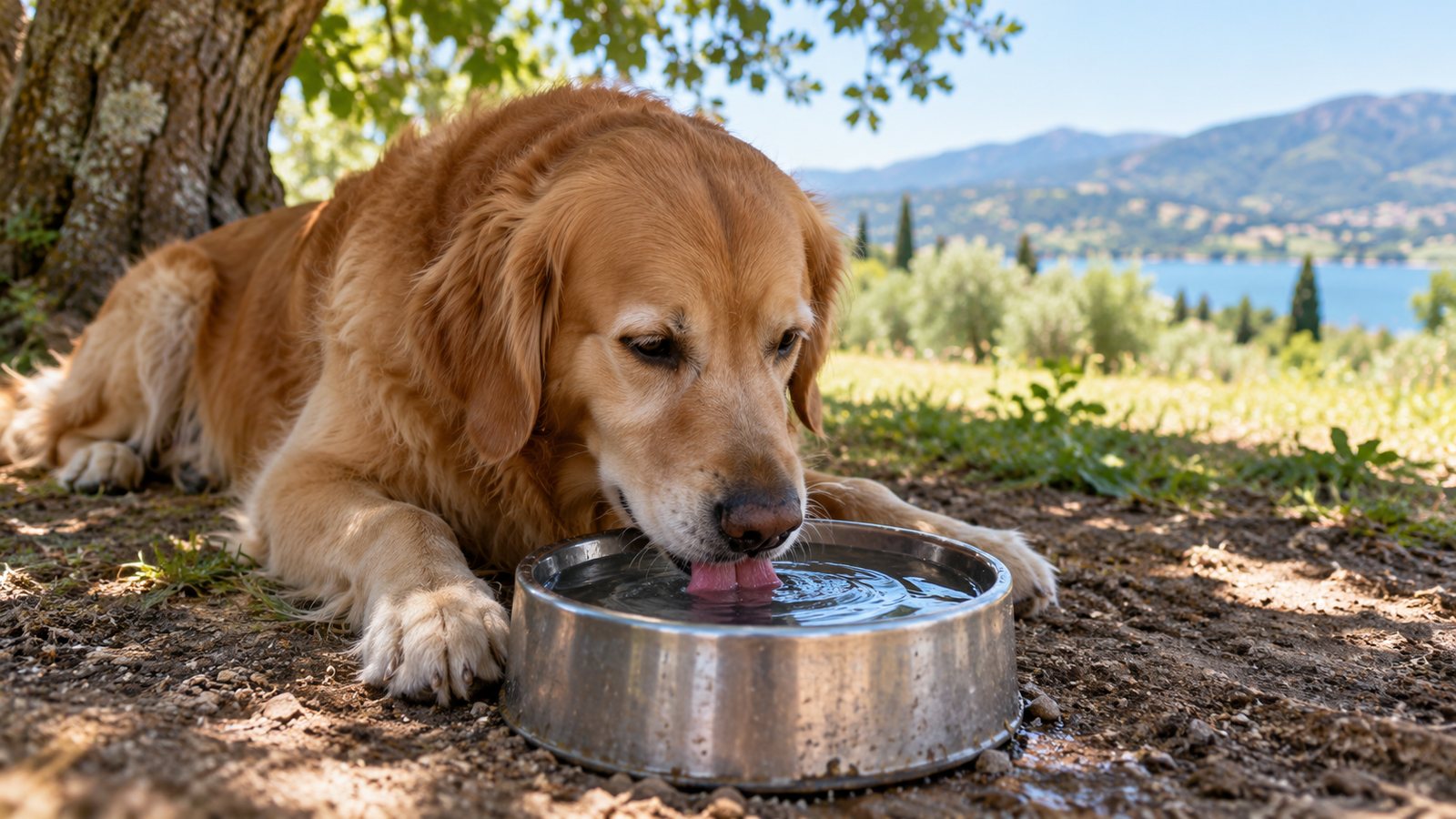
- Give unlimited fresh water and shade outdoors.
- Never leave a pet in a parked car. Cars can heat to deadly temperatures fast.
- Walk during cooler hours and avoid hot asphalt that can burn paws.
- Take frequent breaks and bring water for both of you.
- Skip runs and hikes on the hottest days.
- Ask your vet whether a warm-weather haircut makes sense.
In the yard
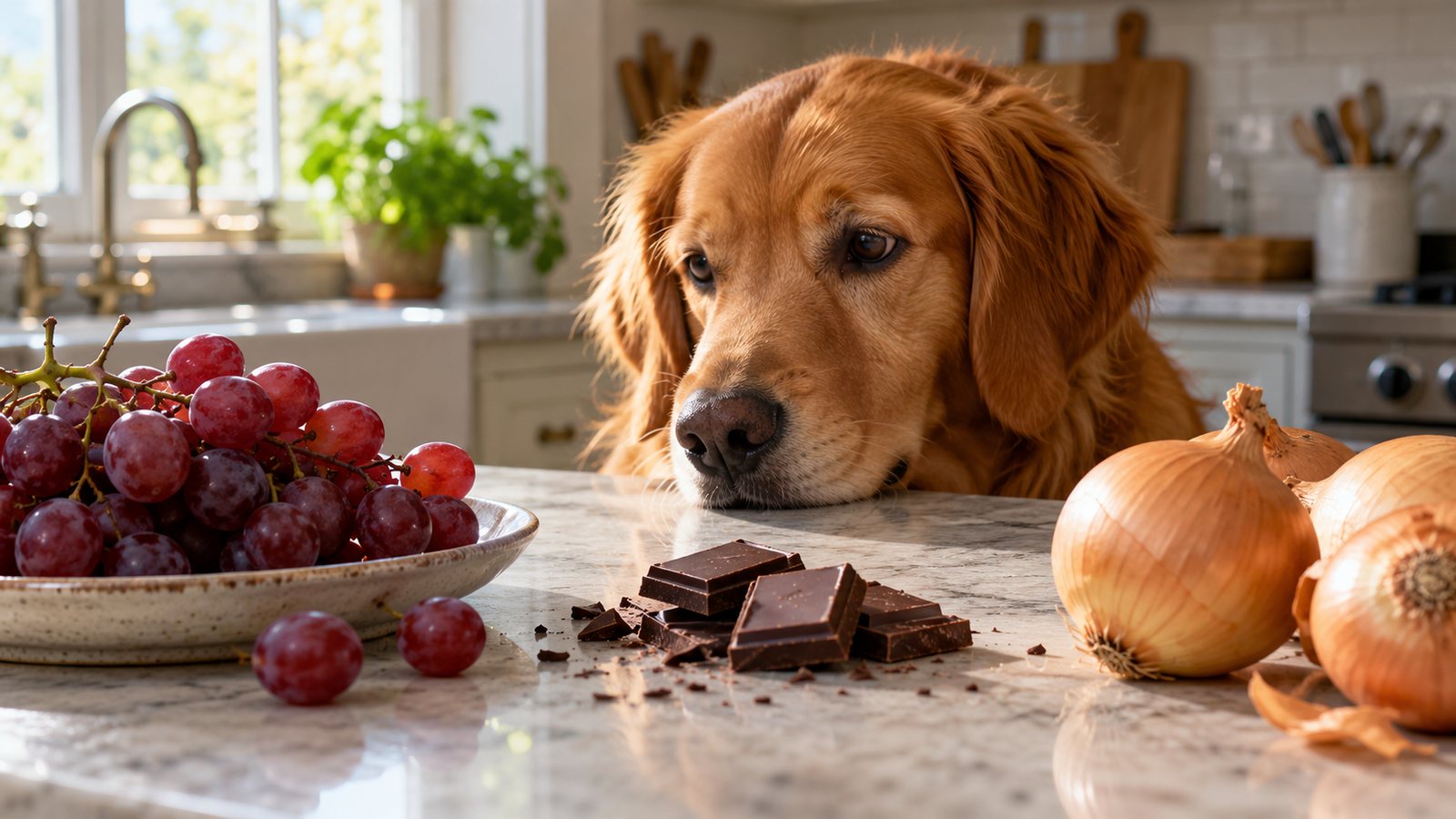
The AVMA advises keeping fertilizer and insecticides out of reach, following re-entry times on lawn products, and avoiding cocoa bean mulch, which has the same toxin found in chocolate. See foods toxic to pets.
Parasites
Fleas, ticks and heartworm are more common in warm weather; talk to your vet about prevention.
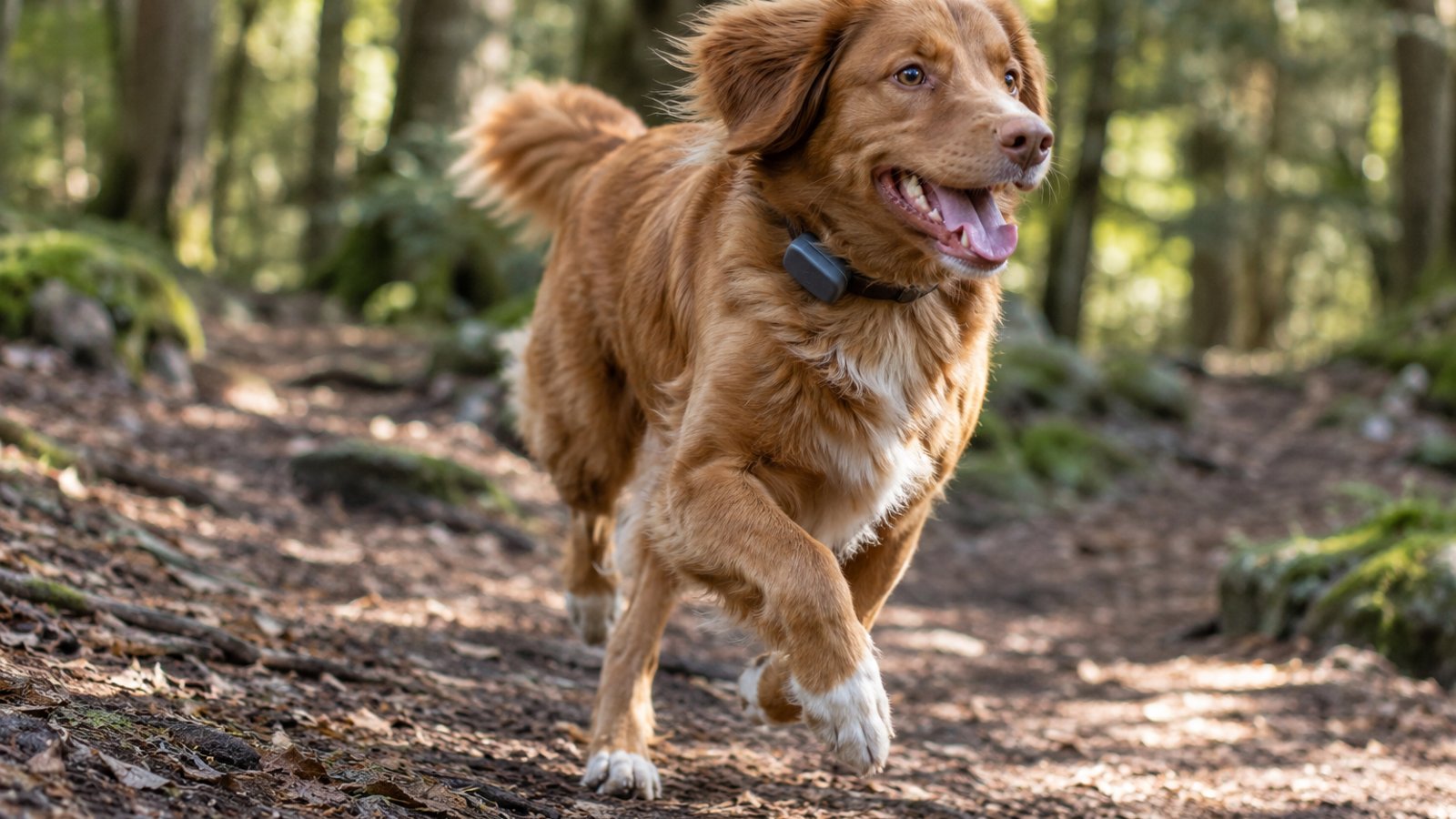
If your dog roams in summer, a GPS tracker can help you find them quickly.
Before summer starts
The AVMA suggests a short conversation with your veterinarian before the warm months:
- Ask about the specific warm-weather risks for your pet, and about travel safety if you plan to take your pet on a trip.
- Ask how to recognize the signs of heat stress in your own animal.
- Ask whether an exercise plan makes sense. The AVMA says overweight pets and short-nosed dog breeds face a higher risk of problems with warm-weather exercise.
- Ask whether your pet would benefit from a warm-weather haircut or other protection.
At home
The AVMA’s first advice is to leave pets at home when you go out and about, where possible. Inside, it suggests offering different temperature zones so your pet can move to wherever is comfortable. Keep water available at all times.
Cars
The AVMA is clear that a pet should never be left in a car, even in the shade and even with the windows cracked. A parked car can overheat to deadly temperatures quickly, even when the weather does not seem severe. The safest plan on a warm errand day is to leave the dog at home.
Exercise checklist
| Do | Avoid |
|---|---|
| Walk, hike or run in the cooler hours of the day | The hottest part of the day, and very warm days |
| Take frequent breaks | Long, nonstop outings |
| Carry enough water for you and your dog | Relying on finding water on the route |
| Check the ground before you walk | Hot asphalt and other surfaces that can burn paws |
AVMA also notes that if it feels hot outside to you, it is even hotter for your pet.
Garden and lawn
- Check that the plants in your garden and yard are safe for pets. Our lily guide covers one of the most dangerous for cats.
- Store fertilizer and insecticide out of reach.
- Follow product labels, especially how long pets must stay off treated areas.
- Tell your lawn service you have pets.
- Avoid cocoa bean mulch.
When to go to the vet
Any of the signs in the box at the top of this page, from heavy panting to collapse, means emergency veterinary care, per the AVMA. Do not wait to see if they pass.
Frequently asked questions
Is it OK to leave my dog in the car with the windows cracked?
No. The AVMA says never leave a pet in a car, even in shade or with windows cracked.
Which dogs are at higher risk?
The AVMA says overweight pets and short-nosed breeds face higher risk with warm-weather exercise.