Dog and Cat Dental Care: What the AVMA Recommends
Most dental disease is below the gumline. Here is how to stay ahead of it.
We may earn a commission when you buy through links on this page, at no extra cost to you. This does not change which products we cover. How we make money.
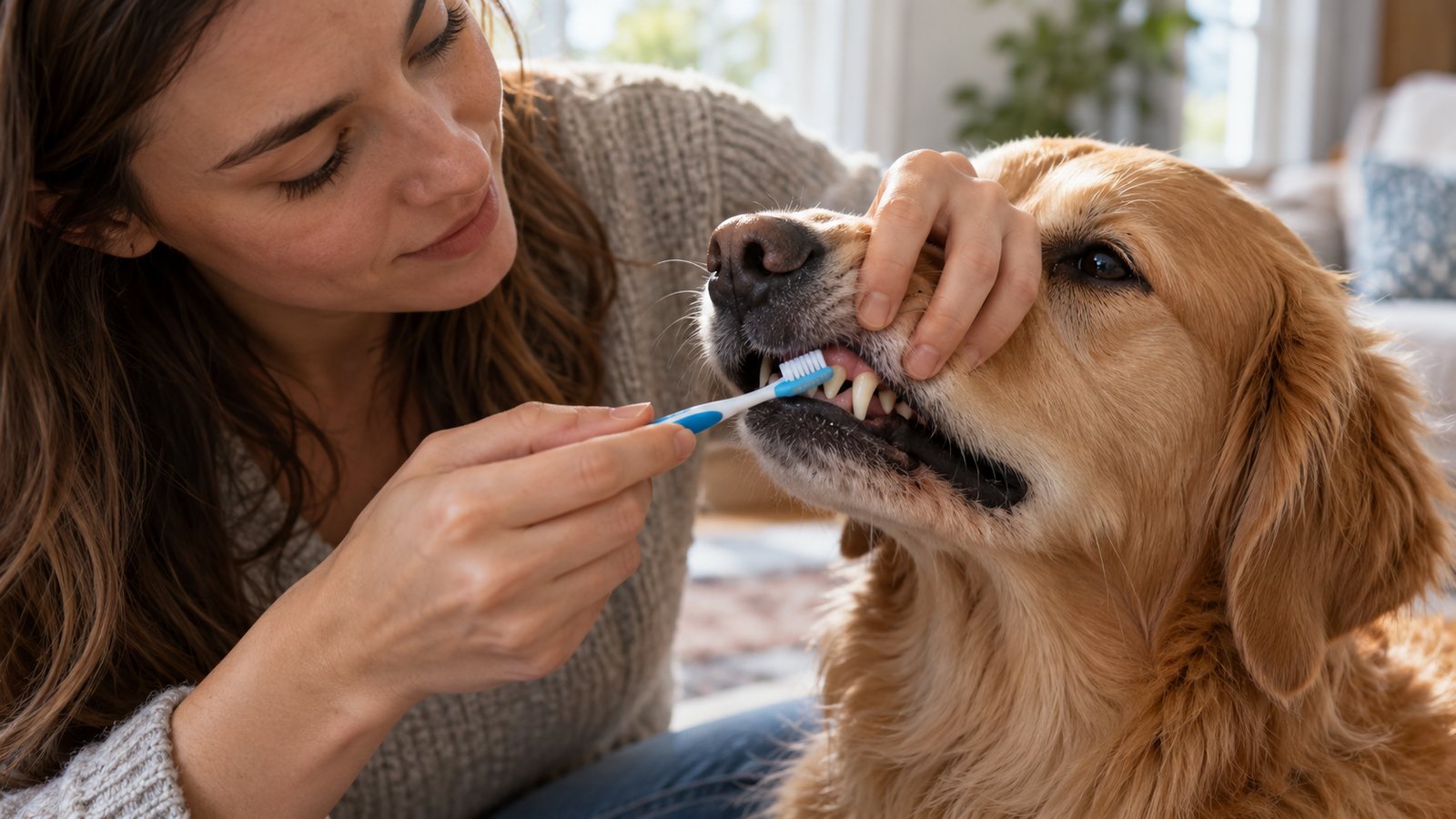
The AVMA says periodontal disease is the most common dental condition in dogs and cats. By age 3, most pets show early signs, which get worse without prevention. It is linked to kidney, liver and heart muscle changes.
Signs to get checked
Bad breath, broken or loose teeth, discolored or tartar-covered teeth, dropping food or drooling, less appetite, mouth pain, bleeding or swelling. Have teeth checked at least once a year.
Why cleanings use anesthesia
Most disease sits below the gumline. Anesthesia lets the vet scale, polish and take X-rays safely while the pet stays still. The AVMA says the risks are very low and most pets go home the same day.
Home care
Brushing is the single most effective thing you can do between cleanings. Use pet toothpaste only; human toothpaste may contain xylitol. Ask your vet before buying dental treats or diets, since the AVMA says not all products work.
Frequently asked questions
How often should I brush my pet's teeth?
The AVMA says daily is best; several times a week can be effective.
Are anesthesia-free dental cleanings OK?
The American Veterinary Dental College does not recommend them, because they cannot clean or inspect below the gumline.