Xylitol and Dogs: Why Sugar-Free Products Are Dangerous (FDA)
A sugar substitute that is safe for people can be deadly for dogs.
We may earn a commission when you buy through links on this page, at no extra cost to you. This does not change which products we cover. How we make money.
Why it hurts dogs
In people, xylitol does not trigger insulin release. In dogs, the FDA says it is absorbed fast and can cause a potent insulin release, leading to a sharp drop in blood sugar (hypoglycemia) within 10 to 60 minutes. Untreated, that can quickly be life-threatening. Some serious effects may not show for 12 to 24 hours, so your dog may need to be hospitalized for monitoring.
Products that may contain xylitol (FDA list)
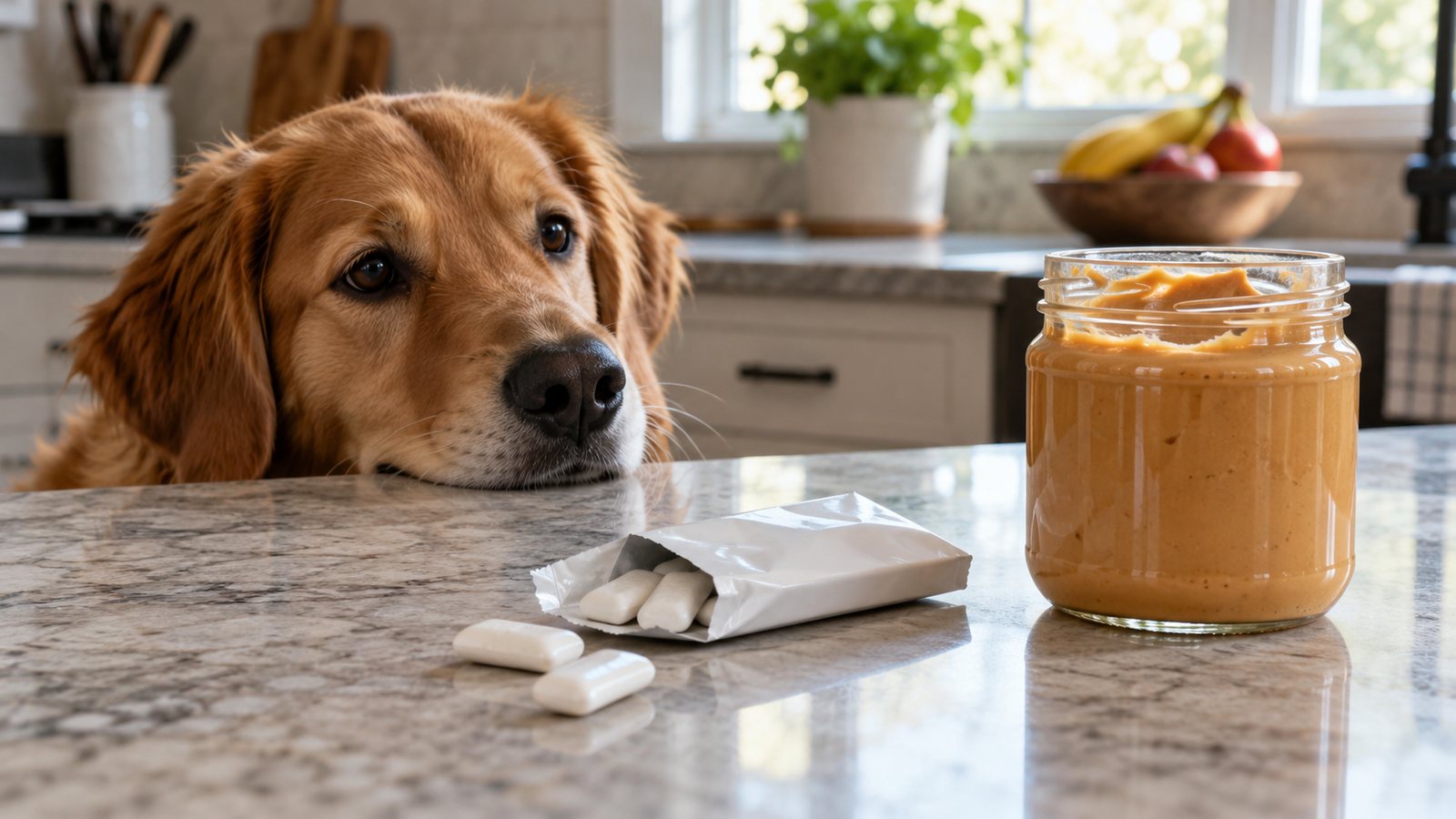
- Sugar-free gum, mints and candy
- Baked goods and sugar-free desserts, including “skinny” ice cream
- Toothpaste and mouthwash
- Cough syrup and chewable vitamins
- Some peanut and nut butters
- Over-the-counter medicines and dietary supplements
Symptoms
Vomiting, then signs of low blood sugar: less activity, weakness, staggering, incoordination, collapse and seizures.
Prevention
- Read labels, especially on anything sold as sugar-free or low sugar.
- Use only pet toothpaste on pets. Our dog dental care guide covers brushing.
- Check nut butter labels before using it for treats or pills.
See the wider list of foods toxic to pets.
Frequently asked questions
Is xylitol dangerous to cats?
The FDA says it does not seem as dangerous for cats. Ferrets can develop low blood sugar and seizures like dogs.
What other names does xylitol go by?
The FDA says it may be labeled birch sugar or wood sugar.